

Wind Speed That Damages Roofs: What You Need to Know
January 12, 2026
Written By
All Trades Restoration Services
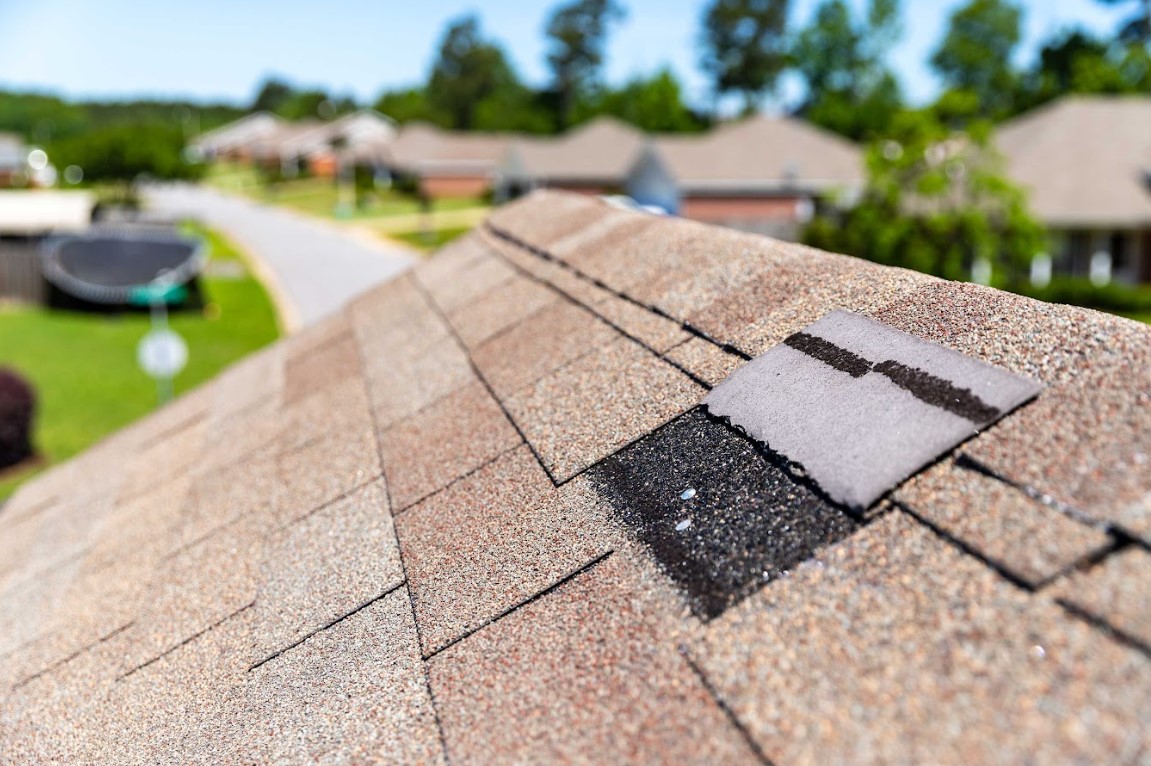
Missouri storms don’t always come with much warning. One minute, the air is calm; the next, strong winds are pushing through your neighborhood. After a windstorm, many homeowners wonder whether their roof held up or if damage could be hiding out of sight. Understanding wind speed that damages roofs helps you know when it’s time to take action.
At All Trades Restoration Services, we help homeowners make sense of storm damage every day. Backed by over 100 years of family roofing experience, our team knows how Missouri wind patterns affect different roofing systems and when professional attention is needed.
Key Takeaways
- Wind speeds as low as 40–60 mph can damage roofing materials.
- Damage often starts at roof edges, corners, and flashing, not always in obvious spots.
- A professional roof estimate helps identify wind damage before it turns into leaks or structural issues.
If your home recently experienced high winds, this guide will help you understand what those wind speeds mean for your roof, and what to do next.
How Wind Speed That Damages Roofs Affects Missouri Homes
Wind doesn’t need to reach tornado levels to damage a roof. In Missouri, straight-line winds from thunderstorms are one of the most common causes of roof damage.
When wind moves across your roof, it creates uplift pressure. This pressure is strongest at the edges, corners, and ridgelines, where shingles and metal panels are more likely to loosen. Once wind gets underneath roofing materials, it can lift, crease, or tear them away entirely.
Here’s a general breakdown of how wind speed that damages roofs typically behaves:
- 40–60 mph: Can loosen shingles, break seals, and shift flashing.
- 60–80 mph: Often causes missing shingles, lifted metal panels, and gutter damage.
- 80+ mph: High likelihood of widespread roof damage and water intrusion.
Missouri’s weather adds another challenge. Wind often comes with heavy rain or hail, which makes even small roof openings a bigger problem. If damage isn’t addressed quickly, moisture can work its way inside and cause costly repairs.
The National Weather Service explains that damaging straight-line winds are more common than tornadoes in many regions, including Missouri, making wind-related roof damage a frequent issue for homeowners.
Schedule your free roof estimate today to understand how recent wind events may have affected your home.
Important Factors to Consider When Evaluating Wind Damage
Not all roofs respond to wind the same way. Several factors influence how well your roof handles strong gusts.
Roof Material
Asphalt shingles, metal roofing systems, tile, slate, and cedar all have different wind resistance levels.
Roof Age
Older roofs are more vulnerable. Over time, materials lose flexibility, and fasteners can weaken.
Installation Quality
Even high-quality materials can fail if they weren’t installed correctly. Proper fastening and flashing matter.
Roof Design
Edges, valleys, dormers, and rooflines experience the highest wind pressure.
Previous Damage
Existing wear or minor damage gives wind an easy entry point.
Local Wind Patterns
Homes in open areas or elevated locations often experience stronger gusts.
A professional estimate looks at all of these factors together, not just what’s visible from the ground.
Common Signs of Wind Damage to Your Roof
Wind damage isn’t always obvious right away. Knowing what to watch for helps you catch problems early.
Exterior Signs
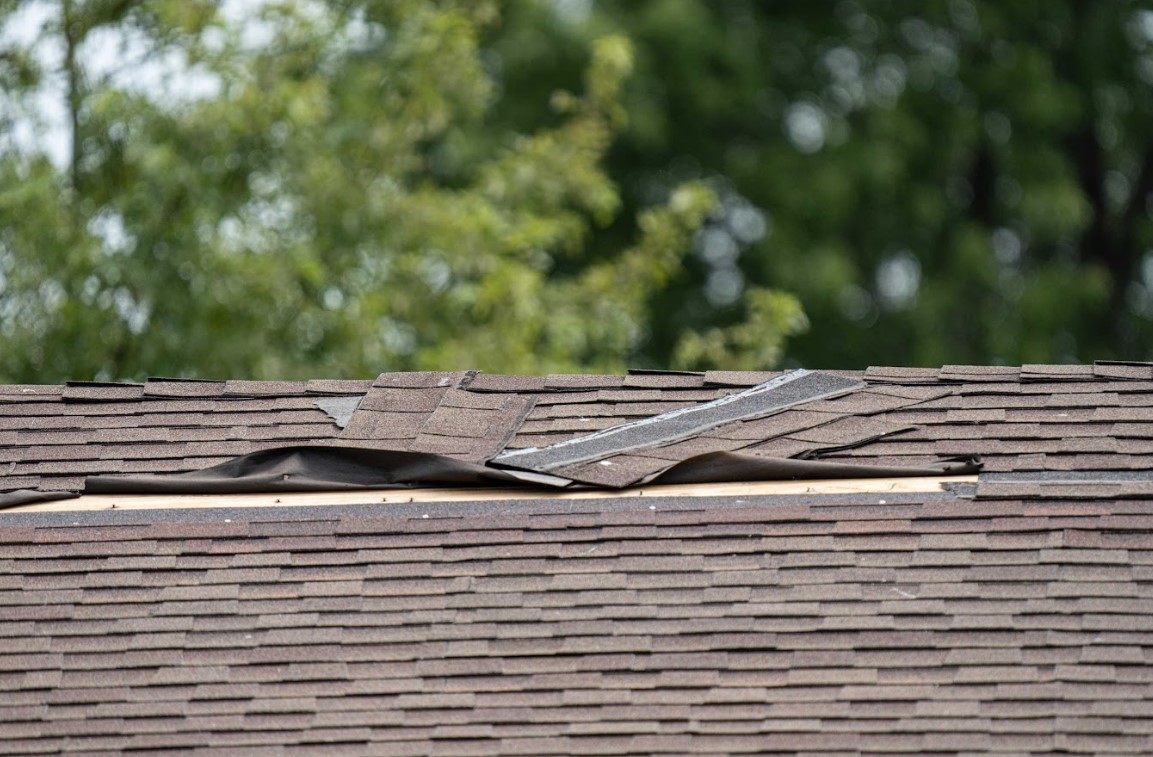
- Missing, lifted, or creased shingles
- Loose or bent metal roofing panels
- Damaged ridge caps or flashing
- Granule buildup in gutters
- Detached or sagging gutters
Interior Signs
- Water stains on ceilings or walls
- Damp insulation in the attic
- Drafts or sudden temperature changes indoors
If you notice any of these signs after a windstorm, your roof may need attention, even if it looks mostly intact from the street.
Request an estimate today and get clarity before minor damage turns into a major repair.
Why Prompt Roof Estimates Matter After High Winds
Wind damage rarely fixes itself. Small problems can grow quickly once rain or additional storms arrive.
Prevent Water Intrusion
Loose shingles or flashing allow water into the roofing system, leading to rot and mold.
Protect Structural Integrity
Repeated wind exposure weakens fasteners and decking over time.
Support Insurance Claims
Documented estimates help support storm-related insurance claims and make sure nothing is overlooked.
Extend Roof Lifespan
Addressing damage early can add years to your roof’s service life.
At All Trades Restoration Services, our roof estimates combine hands-on expertise with drone technology for safe, accurate assessments.
A Quick Wind Damage Awareness Checklist
Use this checklist after strong winds move through your area:
- Walk the perimeter and look for debris or shingle pieces
- Check gutters for granules or loose sections
- Look inside for ceiling stains or new drafts
- Note recent wind speeds reported in your area
- Schedule a professional estimate if anything looks off
Staying proactive protects your home and your peace of mind.
Wind Speed That Damages Roofs FAQs
What wind speed that damages roofs should homeowners watch for?
Wind speeds between 40 and 60 mph determine when roof damage can begin, especially for aging or previously damaged roofs.
Can wind damage occur without missing shingles?
Yes. Wind can break seals, crease shingles, or loosen flashing without immediately tearing materials off.
Is metal roofing better in high winds?
Metal roofing systems typically offer higher wind resistance, but proper installation is essential for performance.
Should I climb on my roof to check for wind damage?
No. Roof surfaces can be unsafe after storms. Ground-level checks and professional estimates are the safest approach.
Does insurance cover wind damage to roofs?
Many policies cover storm-related wind damage. Documentation from a professional estimate helps support claims.
Protecting Your Roof From Missouri’s Windstorms
Missouri windstorms are unpredictable, but your response doesn’t have to be. Understanding wind speed that damages roofs helps you know when to act and when to seek professional guidance.
At All Trades Restoration Services, we provide reliable, honest roofing solutions backed by decades of experience and deep insurance knowledge. From wind damage estimates to full roof replacement, our team is committed to protecting your home with quality craftsmanship and clear communication.
Schedule your free roof estimate today and make sure your roof is ready for whatever Missouri weather brings next.
Recent Articles

Residential Gutters
Vinyl vs Aluminum Gutters: Weighing the Options for Your Home
Compare vinyl vs aluminum gutters for Missouri homes, including durability, maintenance, and performance, to choose the right system for long-term protection.
May 4, 2026
.png)
Residential Roofing
Roof Repair vs Replacement: How to Make the Right Choice
Learn how to choose between roof repair vs replacement based on age, damage, and cost to protect your Missouri home and avoid costly mistakes.
May 4, 2026
.jpg)
Residential Window
The Window Replacement Process: A Step-by-Step Guide
Learn the full window replacement process, including planning, installation, and what Missouri homeowners should expect for a smooth project.
May 3, 2026
Residential Siding
Siding and Humidity: How to Protect Your Home's Exterior
Learn how siding and humidity affect Missouri homes, including warning signs, prevention tips, and how to protect your exterior from moisture damage.
May 1, 2026