

Siding and Humidity: How to Protect Your Home's Exterior
May 1, 2026
Written By
All Trades Restoration Services
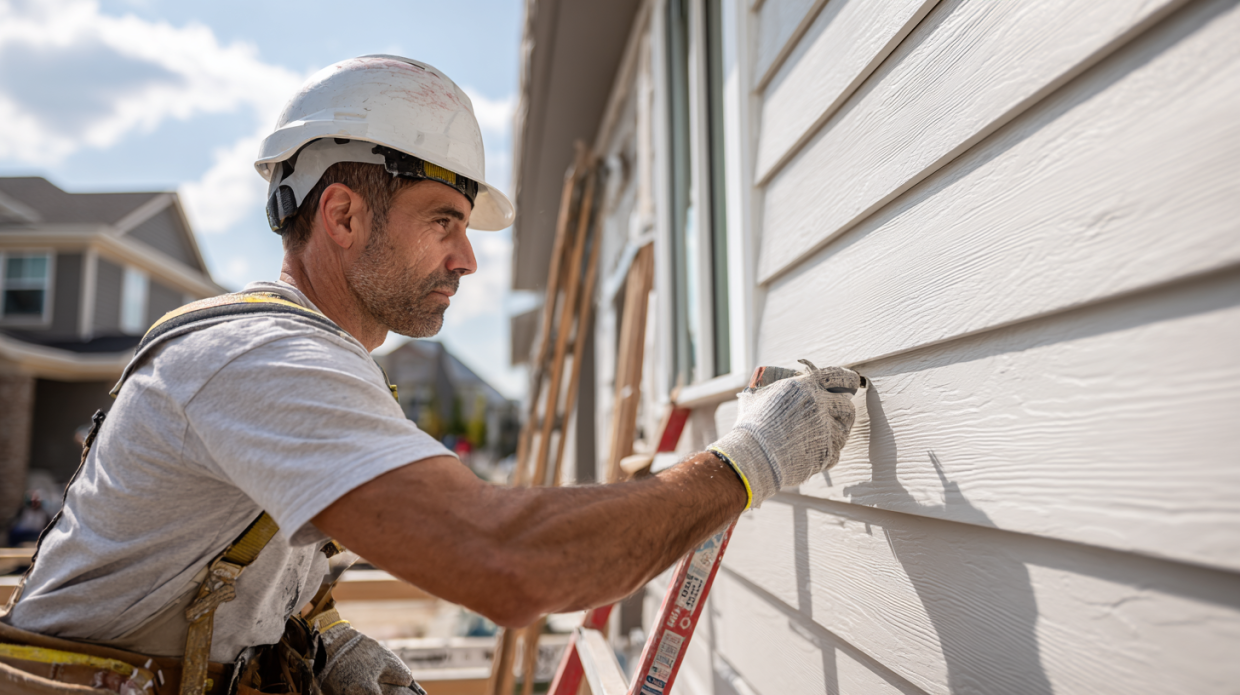
If you live in Missouri, you already know what humid weather feels like. What many homeowners do not realize is how much siding and humidity affect the outside of a home year after year.
That sticky summer air does more than make the day uncomfortable. It can trap moisture behind siding, encourage mildew growth, and slowly weaken the materials protecting your home.
At All Trades Restoration Services, we help homeowners spot siding problems early and choose exterior solutions that hold up in real Missouri weather.
Key Takeaways
- Siding and humidity problems usually start with trapped moisture, poor ventilation, or aging materials.
- Missouri’s humid summers and freeze-thaw cycles can shorten siding life if issues go untreated.
- The right siding material and proper installation help protect your home for the long haul.
If you want reliable local experts to help protect your home and peace of mind, All Trades Restoration Services is here to help.
How Siding and Humidity Affect Missouri Homes More Than Homeowners Realize
When people think about siding damage, they often picture hail, wind, or fallen branches. Those are real threats, but siding and humidity create a slower kind of damage that can be just as serious.
Humidity is moisture in the air. In Missouri, that moisture can collect around your siding for long periods, especially during summer. If water gets trapped behind the panels or around seams, your home can start developing problems that are easy to miss at first.
Common humidity-related siding issues include:
- Warping or buckling panels
- Mold and mildew growth
- Fading or discoloration
- Soft spots behind the siding
- Loose fasteners or popped nails
Older homes in places like O’Fallon, St. Peters, and Chesterfield can be especially vulnerable if the siding system is aging or was not installed with proper moisture barriers. Once moisture gets behind the siding, it can affect not just the panels, but also the sheathing, trim, and even indoor comfort.
That is why siding should never be treated as just a cosmetic feature. It is part of your home’s protective envelope.
.png)
What to Check Before Siding and Humidity Turn Into Bigger Problems
Before humidity damage becomes a major repair, it helps to know what to look for around your home.
Siding Type
What material do you have?
Vinyl, fiber cement, and engineered wood all respond differently to moisture. Knowing your siding material helps you understand what kind of maintenance or repair it may need.
Ventilation
Can moisture escape properly?
Homes need airflow behind exterior systems. Without proper ventilation, trapped moisture becomes more likely.
Moisture Barriers
What is behind the siding?
House wrap, flashing, and other moisture-control layers are critical. If these were skipped or installed poorly, humidity damage becomes more likely.
Visible Warning Signs
What can you see from the ground?
Look for warped panels, mildew stains, bulging sections, gaps, or discoloration.
Past Repairs
Has the home had siding or storm work before?
Previous patch jobs or mismatched repairs sometimes leave weak points where moisture gets in more easily.
Catching these issues early gives you more repair options and helps prevent larger structural damage.
Siding and Humidity: Practical Ways to Protect Your Exterior
Inspect Your Siding Seasonally
Walk around your home in spring and fall. Look closely at seams, corners, and shaded walls where moisture tends to linger longer.
Keep Gutters and Downspouts Working Properly
Overflowing gutters push water directly against siding. Clean gutters regularly and make sure downspouts carry water away from the home.
Trim Back Shrubs and Trees
Bushes and branches too close to the house trap moisture and reduce airflow. Keeping plants trimmed back helps siding dry more efficiently.
Clean Off Mold, Mildew, and Surface Buildup
Dirt and organic growth hold moisture on the surface of the siding. Gentle cleaning helps remove buildup before it causes deeper issues.
Repair Loose or Damaged Sections Quickly
A lifted panel or loose seam may not seem urgent, but it gives water a place to enter. Small repairs now can prevent bigger damage later.
Choose Humidity-Resistant Materials When Replacing Siding
If your siding is nearing the end of its life, it may be time to choose a system better suited for Missouri weather. Proper installation matters just as much as the material itself.
Siding and Humidity: What Homeowners Should Do Next
If you want to protect your home’s exterior, start with a simple checklist:
- Inspect siding twice a year
- Watch for warping, mildew, or loose panels
- Keep gutters and drainage working correctly
- Trim vegetation away from walls
- Address small repairs before moisture spreads
- Schedule a professional inspection if something looks off
Humidity is part of life in Missouri, but siding damage does not have to be. The right maintenance and the right exterior system can make a big difference

Siding and Humidity FAQ
Keep Missouri Humidity from Taking a Toll on Your Home
Missouri summers are tough on exterior materials. If your home is already showing signs of siding and humidity damage, waiting usually makes the problem more expensive.
The good news is that early action can protect both your siding and the structure behind it.
At All Trades Restoration Services, we bring decades of experience, honest guidance, and dependable workmanship to every exterior project. From inspections and repairs to full siding replacement, we help homeowners protect what matters most.
Request an estimate today and let All Trades Restoration Services help protect your home from humidity-related siding damage.
Recent Articles

Residential Gutters
Vinyl vs Aluminum Gutters: Weighing the Options for Your Home
Compare vinyl vs aluminum gutters for Missouri homes, including durability, maintenance, and performance, to choose the right system for long-term protection.
May 4, 2026
.png)
Residential Roofing
Roof Repair vs Replacement: How to Make the Right Choice
Learn how to choose between roof repair vs replacement based on age, damage, and cost to protect your Missouri home and avoid costly mistakes.
May 4, 2026
.jpg)
Residential Window
The Window Replacement Process: A Step-by-Step Guide
Learn the full window replacement process, including planning, installation, and what Missouri homeowners should expect for a smooth project.
May 3, 2026
Residential Siding
Siding and Humidity: How to Protect Your Home's Exterior
Learn how siding and humidity affect Missouri homes, including warning signs, prevention tips, and how to protect your exterior from moisture damage.
May 1, 2026